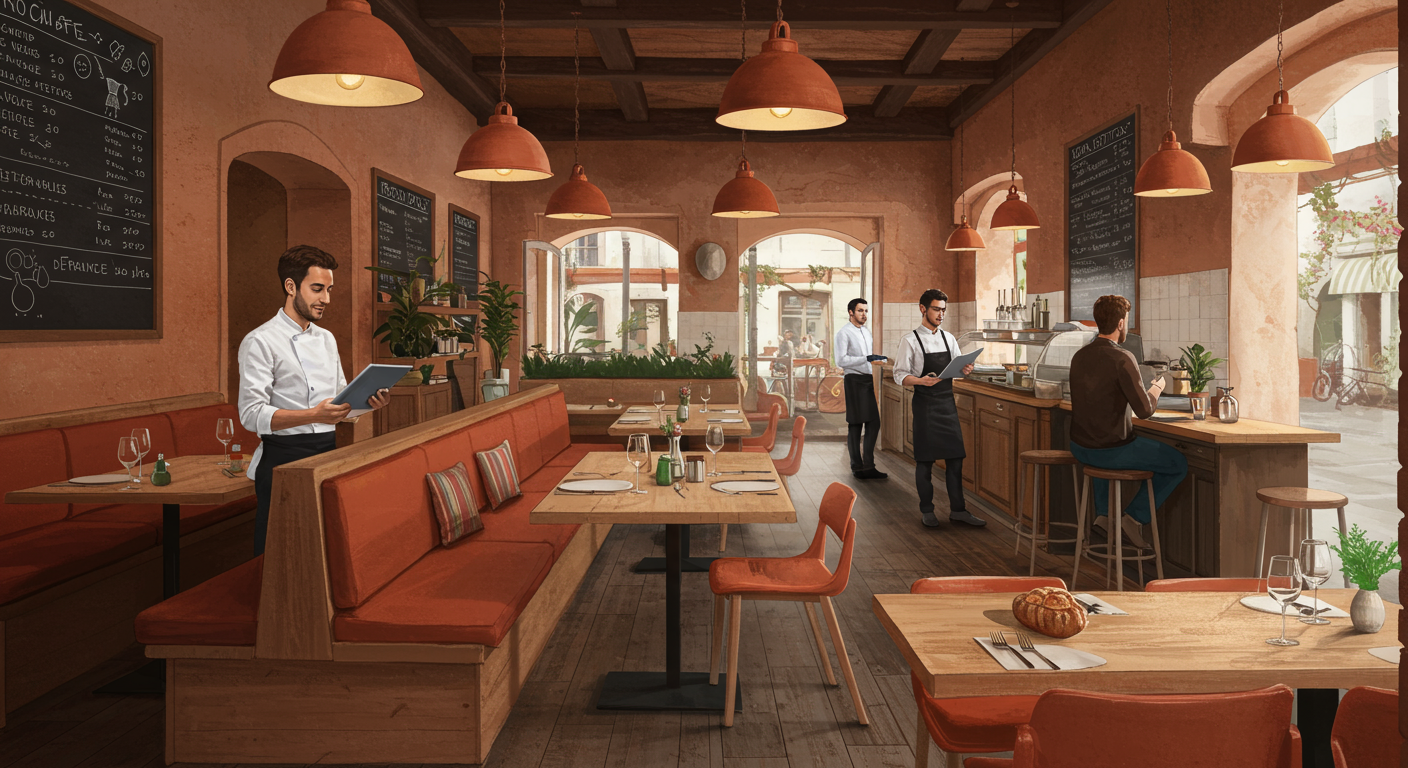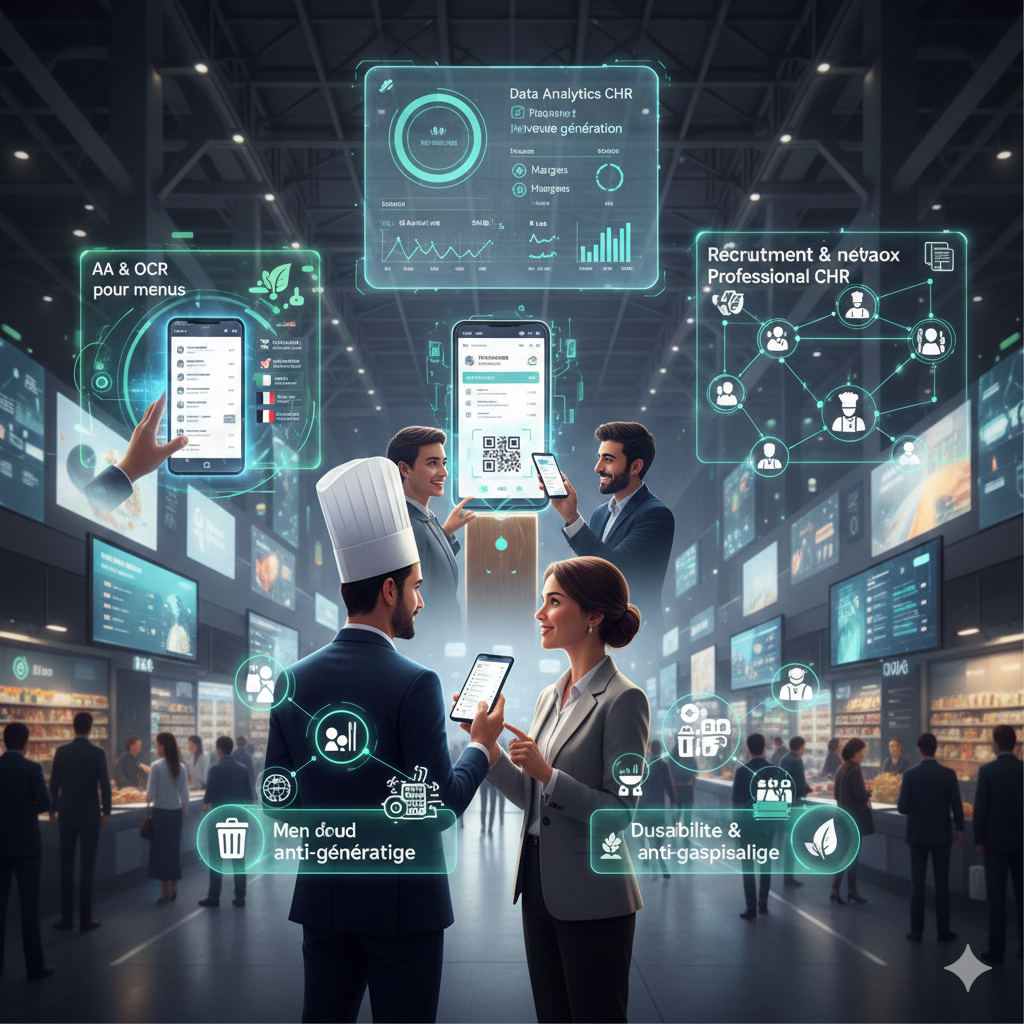
2026 is a turning point for the restaurant industry. After years of trial and error, FoodTech technologies have finally come of age. Restaurants that embrace these innovations will gain a decisive competitive edge. Here are the 5 major technologies radically transforming the hospitality sector this year.
1. AI and OCR Are Revolutionising Restaurant Menus
Artificial intelligence applied to the restaurant industry is arguably the most spectacular revolution of recent years. At the heart of this transformation: OCR (Optical Character Recognition) technology paired with advanced language models such as GPT-4.
How does it work?
Imagine being able to digitise your paper menu in just seconds. You take a photo of your menu, and the AI automatically extracts:
- Dish names with their exact spelling
- Descriptions and ingredients
- Prices and set meal options
- Allergens detected intelligently
- Categories (starters, mains, desserts...)
This technology, already operational with select software providers, can reduce menu data entry time by 95%. A tremendous productivity gain for restaurateurs who frequently update their menus.
"Intelligent OCR takes you from an hour of manual data entry to less than 3 minutes of review. It's a paradigm shift for restaurant digitisation."
To learn more about this revolution, read our full article: How AI Is Revolutionising Restaurant Menus in 2026.
Real-world use cases
Beyond simple digitisation, AI brings advanced capabilities:
- Automatic translation of your menus into 12 languages
- Description improvement suggestions for better SEO
- Culinary trend analysis and recommendations
- Automatic detection of pricing inconsistencies
2. The Next-Generation QR Code Menu
The QR code menu had a rocky start. According to our research, nearly 70% of restaurants had abandoned it after the Covid era. Why? A poor user experience, overly basic solutions, and a lack of real added value.
But 2026 marks a turning point. New FoodTech solutions deliver a radically different experience:
The features that change everything
- Customisable premium design: no more ugly PDFs — interactive menus that reflect your brand identity
- High-quality dish photos with zoom
- Allergen and dietary filters (vegan, gluten-free, halal...)
- Automatic multilingual support based on the smartphone's language
- Instant updates from any device
- Built-in analytics: which dishes are viewed the most?
We analysed the reasons behind past failures and the solutions in detail in our report: QR Code Menus: Why 70% of Restaurants Gave Up (And How to Avoid the Same Fate).
For those ready to get started, our Ultimate Guide to QR Code Menus in 2026 covers all the best practices.
Integration with the restaurant ecosystem
Next-generation solutions no longer operate in isolation. They integrate with:
- Your POS system to synchronise prices
- Your booking software
- Your Google Business Profile to display the menu directly
- Your social media channels to share new offerings
3. Data Analytics to Boost Your Profitability
Data is the new goldmine for hospitality. But only if you know how to use it. Modern FoodTech solutions turn your raw data into actionable insights.
What you can measure
- Actual vs theoretical food cost per dish
- Dish popularity: sales, views, conversion rates
- Peak time analysis to optimise staffing
- Impact of menu changes on average spend per cover
- Benchmarking against local competitors
The modern restaurateur's dashboard
Imagine a dashboard that tells you every morning:
- The 3 dishes to push today (best margin + stock to use up)
- Expected footfall based on historical data and weather
- Stock alerts before you run out
- Your ranking vs competitors on Google reviews
These tools, once reserved for large chains, are now accessible to independent restaurants thanks to affordable SaaS monthly subscriptions.
4. Specialist Hospitality Recruitment Platforms
The hospitality staffing shortage remains the industry's number one challenge. According to recent studies, over 200,000 positions remain unfilled across Europe alone. In response, a new wave of specialist platforms is emerging.
The LinkedIn of the restaurant world
These next-generation platforms offer features tailored to the industry:
- Enhanced candidate profiles: training, certifications, culinary specialities
- Intelligent matching between vacancies and candidates
- Reference checks with former employers
- Video introductions from candidates
- Geolocation for local recruitment
Our initiative ALaCarte Connect: The LinkedIn for the Culinary World perfectly illustrates this trend. These platforms create a genuine industry-specific professional network where chefs, line cooks, front-of-house staff, and sommeliers can build their visibility and advance their careers.
Beyond recruitment: continuous professional development
The best platforms now also offer:
- Certified e-learning modules
- Connections with hospitality schools
- Coaching and mentoring from recognised industry professionals
- Industry networking events
5. Sustainability and Food Waste Solutions
Environmental responsibility is no longer optional. Consumers demand it, and regulations require it. Here are the green solutions making waves in 2026:
Reducing food waste
- Predictive AI to fine-tune supplier orders
- Shelf-life management with automatic alerts
- Partnerships with Too Good To Go and similar platforms, built right in
- Carbon footprint reporting for your business
Optimising energy use
- IoT sensors to monitor consumption
- Smart scheduling of kitchen equipment
- Heat recovery from ovens and refrigerators
Communicating your commitments
These tools also help you showcase your efforts to customers:
- Displaying nutrition scores and eco-ratings on digital menus
- Product traceability with QR codes linking to suppliers
- Labels and certifications highlighted automatically
How to Start Your Digital Transformation
With so many technologies on offer, where should you begin? Here's our recommended approach:
Step 1: Audit your current situation
- Menus: Paper only? Basic PDF? Digital solution?
- Data: What information are you collecting today?
- Recruitment: How long does it take to fill a vacancy?
- Waste: What percentage of your purchases ends up in the bin?
Step 2: Prioritise by impact
Don't try to revolutionise everything at once. Focus on:
- The quick win: Digitise your menu with a quality QR code (1 week)
- The medium term: Integrate analytics to understand your customers (1 month)
- The long term: Automate your processes with AI (3–6 months)
Step 3: Test before you invest
- Most solutions offer free trials
- Start with a pilot site if you have multiple locations
- Measure the results before rolling out
Frequently Asked Questions
Are these technologies only for large restaurant groups?
Not at all. Many FoodTech solutions are specifically designed for small and medium-sized hospitality businesses, with affordable pricing and no-commitment plans. The SaaS model with monthly subscriptions makes these tools accessible to everyone.
Can I try the solutions before committing?
Yes, the vast majority of providers offer free trial periods of 14 to 30 days. You can test the software, scan a menu with OCR, create a profile on recruitment platforms — all with no commitment.
How long does it take to digitise a restaurant?
It depends on the scope of the project. A QR code menu can be up and running in a few hours. Integrating analytics typically takes 1 to 2 weeks. A full transformation with AI and automation requires 2 to 3 months of guided implementation.
What budget should I plan for digitisation?
Solutions range from free (basic QR menu) to several hundred pounds per month (full suite with AI). A realistic budget for an independent restaurant is between £25–£130/month (approximately $30–$150) for professional, high-performance tools.
How do I choose the right solution for my restaurant?
Start by identifying your main pain point: outdated menu, recruitment difficulties, high waste levels? Then test 2–3 competing solutions during their trial periods. For menu digitisation solutions, find out how to create a digital restaurant in 30 seconds with no coding required.
Conclusion: The Time to Act Is Now
The 5 major innovations we've covered — AI/OCR, next-generation QR menus, data analytics, specialist recruitment, and sustainability — are just the tip of the FoodTech iceberg.
The hospitality industry is undergoing an accelerated digital transformation. Restaurants that adopt these technologies will secure a decisive competitive advantage. Those that delay risk being left behind.
Our advice: start today with a simple quick win — digitise your menu in just a few minutes. Most of the solutions mentioned offer free trials. Test, measure, and make an informed decision.
To take your digitisation further, also explore:
- How Périgord's Tech Scene Is Shaking Up the Restaurant Industry
- 5 Google Maps Mistakes That Are Costing Restaurants Customers
- Case Study: How Okko Hotels Digitised Menus Across 10 Properties
Your restaurant's digital transformation starts here.