ALaCarte.Direct
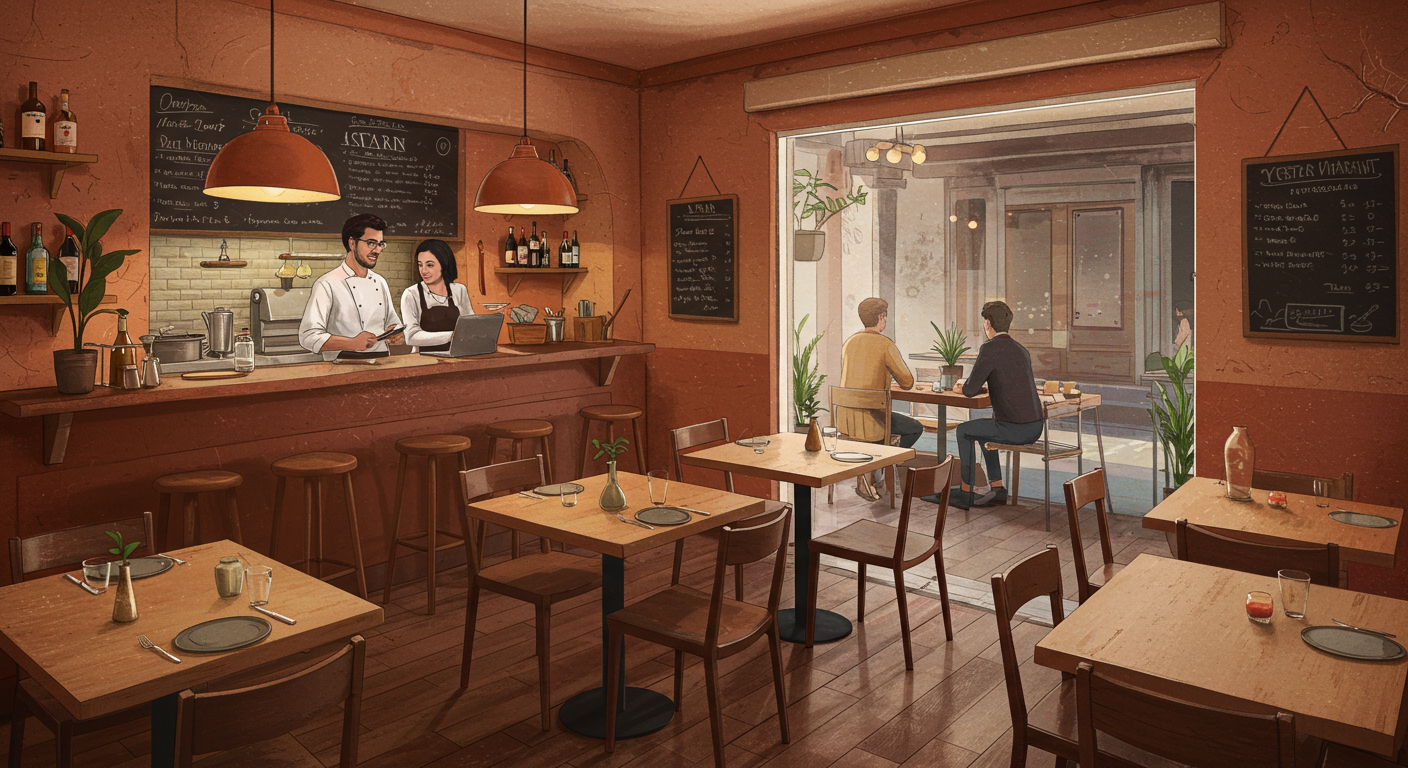
आपकी signature dish शानदार है। आपका restaurant गर्मजोशी से भरा है। आपके customers खुश होकर लौटते हैं। फिर भी, आपका Instagram restaurant account 200 followers पर अटका हुआ है, आपकी posts पर गिनती के likes आते हैं, और आपको लगता है कि आप हवा में बात कर रहे हैं। यह आपकी culinary प्रतिभा की समस्या नहीं है — यह तरीके की समस्या है। अधिकांश स्वतंत्र restaurateurs बिना किसी strategy के बेतरतीब ढंग से post करते हैं, और नतीजे न मिलने पर हार मान लेते हैं। आप जो अपने restaurant में परोसते हैं उसकी quality और आपकी online visibility के बीच का यह अंतर असल में revenue का नुकसान है। अच्छी खबर यह है: एक व्यवस्थित Instagram restaurant strategy के साथ, जो आपके समय की सीमाओं के अनुकूल हो, आप इस social media platform को एक असरदार customer acquisition channel में बदल सकते हैं — बिना दिन में तीन घंटे खर्च किए।
2026 में एक restaurant के लिए Instagram क्यों ज़रूरी है
Instagram अब भी सबसे visual और restauration के लिए सबसे स्वाभाविक रूप से उपयुक्त social media platform है। अन्य platforms के विपरीत, यह आपको वही दिखाने देता है जो आप सबसे अच्छा करते हैं: dishes, माहौल, और चेहरे।
Customer journey स्क्रीन से शुरू होती है
Reservation करने से पहले, संभावित customers का एक बड़ा हिस्सा restaurant के social media profiles देखता है। वे जानना चाहते हैं कि dishes कैसी दिखती हैं, माहौल कैसा है, और experience उनकी उम्मीदों पर खरा उतरता है या नहीं। आपकी Instagram restaurant profile अक्सर वह पहली छाप होती है जो आप देते हैं — आपकी website से भी पहले, Google reviews से भी पहले।
यह व्यवहार 25-45 साल के लोगों में और भी प्रबल है, जो शहरी स्वतंत्र restaurants की मुख्य clientele हैं। उनके लिए, बिना Instagram presence वाला restaurant तुरंत एक सवाल खड़ा करता है: क्या यह अभी भी चल रहा है?
एक सुलभ competitive advantage
Paid advertising या commission लेने वाले reservation platforms के विपरीत, Instagram मुफ़्त है। आपका निवेश समय में मापा जाता है, पैसे में नहीं। और यही वह जगह है जहाँ स्वतंत्र restaurateurs बड़ी chains से मुकाबला कर सकते हैं: जो authenticity और नज़दीकियत आप Instagram पर दिखा सकते हैं, वह 200 outlets वाली chain कभी reproduce नहीं कर पाएगी।
एक अच्छी तरह से संभाला गया Instagram account आपकी समग्र digital marketing strategy को भी मज़बूत करता है। यह आपके अन्य channels को पोषित करता है: जो customers आपको Instagram पर discover करते हैं, वे बाद में Google reviews देते हैं, आपका address अपने करीबियों से share करते हैं, और आसानी से दोबारा आते हैं।
नींव: अपनी Instagram restaurant profile को optimize करें
कुछ भी post करने से पहले, आपकी profile बेदाग़ होनी चाहिए। यह आपकी digital vitrine है — और किसी visitor को follow करने के लिए convince करने के लिए आपके पास बस कुछ seconds हैं।
Bio: उत्सुकता जगाने के लिए 150 characters
आपकी Instagram bio को एक नज़र में तीन सवालों के जवाब देने चाहिए:
- किस तरह का खाना? (North Indian thali, Neapolitan pizzeria, Asian street food…)
- कहाँ? (इलाक़ा + शहर)
- कैसे आएँ या reserve करें? (आपके menu, website, या reservation tool का link)
「2015 से जुनून के साथ खाना बना रहे हैं」जैसी अस्पष्ट बातों से बचें। कुछ तथ्यात्मक लिखें: 「Seasonal Indian bistro · Khan Market · New Delhi · Reservation ↓」। Visitor को तुरंत पता चल जाता है कि क्या उम्मीद रखनी है।
Profile photo और highlights
अगर आपके पास एक साफ़-सुथरा logo है जो छोटे format में भी पढ़ा जा सके, तो उसे इस्तेमाल करें। अगर नहीं, तो आपके restaurant के entrance या आपकी signature dish की photo भी काम करेगी, बशर्ते वह छोटे आकार में भी स्पष्ट और पहचानने योग्य हो।
Highlights (stories à la une) का ज़्यादातर restaurants पूरा फ़ायदा नहीं उठाते। कम से कम ये categories ज़रूर बनाएँ:
- Menu — अपनी मुख्य dishes की photos और अपने digital menu के links
- Team — चेहरे और नाम, ताकि आपके restaurant को एक इंसानी पहचान मिले
- Customer Reviews — अपने बेहतरीन reviews के screenshots
- पहुँचने का रास्ता — map, nearest metro station, parking
- Events — special evenings, private bookings, महत्वपूर्ण तारीखें
ये highlights हमेशा visible रहते हैं। कोई नया visitor आपको follow करने का फ़ैसला करने से पहले लगभग हमेशा इन्हें देखता है।
Bio का link: इसे बर्बाद न करें
Instagram पर आपके पास सिर्फ़ एक clickable link होता है (10,000 से अधिक followers वाले accounts के लिए stories के अलावा)। इसे किसी generic homepage पर बर्बाद न करें। इसे सबसे उपयोगी resource की ओर direct करें: आपका online menu, आपका reservation page, या Linktree जैसा tool अगर आपके पास कई महत्वपूर्ण destinations हैं।
Content strategy: क्या publish करें और कितनी बार
यह वह सवाल है जो हर restaurateur पूछता है: 「मैं क्या post करूँ?」 इसका जवाब एक सरल editorial calendar में है, जो आपकी सीमाओं के अनुकूल हो।
Instagram restaurant के लिए content के 5 स्तंभ
अपनी publications को पाँच recurring themes के इर्द-गिर्द structure करें। इस approach से आपको blank page syndrome से बचने और एक विविध profile बनाए रखने में मदद मिलती है।
1. Dishes और drinks (आपकी publications का 40%)
यह आपके content का दिल है। लेकिन सावधान: दो services के बीच जल्दबाज़ी में ली गई एक धुँधली photo काफ़ी नहीं है। कुछ सरल नियम आपके visuals की quality को पूरी तरह बदल देते हैं:
- Natural light को प्राथमिकता दें — dish को खिड़की के पास रखें
- Top-down (ऊपर से नीचे) या ऊँचे plats (burgers, layered desserts) के लिए हल्के low angle से photograph करें
- Shoot करने से पहले plate के किनारे साफ़ करें
- Context का कोई element जोड़ें: एक हाथ, cutlery, बगल में एक glass
सिर्फ़ final result न दिखाएँ। Plating की प्रक्रिया, work station पर रखे ताज़े ingredients, dining area में किसी dish का flambéing — ये "behind the scenes" moments एक और plate की photo से कहीं ज़्यादा engagement generate करते हैं।
2. Behind the scenes और रोज़मर्रा (25%)
यही वह चीज़ है जो आपको किसी food photography account से अलग करती है। दिखाएँ:
- सुबह ताज़ी सामग्री की आवक
- Service से पहले mise en place
- Kitchen में rush hour की भागदौड़
- रात की सफ़ाई (हाँ, लोगों को इसमें दिलचस्पी होती है — यह आपकी गंभीरता दिखाता है)
इन contents को polish करने की ज़रूरत नहीं है। Smartphone से बिना किसी editing के, आपकी kitchen की असली आवाज़ों के साथ, 15 seconds का एक साधारण Reel बिल्कुल सही काम करता है। Authenticity सौंदर्य की perfection से ज़्यादा मायने रखती है।
3. Team और इंसानी पहलू (15%)
लोग एक restaurant में खाने के लिए आते हैं, लेकिन वे लोगों के लिए लौटते हैं। अपनी team को पेश करें: chef जो एक dish समझा रहा है, वह waiter जो service का अपना पसंदीदा moment बता रहा है, वह dishwasher जो opening day से है।
इस तरह का content एक भावनात्मक जुड़ाव बनाता है जो किसी dish की photo हासिल नहीं कर सकती। एक customer जो Instagram के ज़रिए आपकी team को "जानता" है, आपके restaurant में आने पर पहले से ही अपनापन महसूस करेगा। यह customer loyalty का भी एक शक्तिशाली ज़रिया है।
4. Customers और dining area (10%)
अपने restaurant को जीवंत, भरा हुआ, और चहल-पहल से भरा दिखाएँ। शुक्रवार की रात एक भरी हुई dining area, cheers करता एक couple, हँसता हुआ दोस्तों का एक group — ये images एक शक्तिशाली social signal भेजती हैं: 「यह जगह लोगों को पसंद है」।
अपने customers की photo लेने या video बनाने से पहले हमेशा अनुमति लें। एक सरल 「क्या हम इस moment को अपने Instagram पर share कर सकते हैं?」 काफ़ी है। ज़्यादातर लोग खुशी से मान जाते हैं — और शायद आपकी post को अपनी तरफ़ से भी share करें।
5. व्यावहारिक जानकारी और updates (10%)
Menu में बदलाव, असाधारण छुट्टी, नया dish of the day, special evening, किसी event के लिए offer… इन publications की organic reach कम होती है, लेकिन ये आपकी मौजूदा community के लिए ज़रूरी हैं। अपने private events को भी promote करें ताकि आपके restaurant की versatility दिखे।
आदर्श rhythm: frequency से ज़्यादा ज़रूरी है regularity
हफ़्ते में तीन अच्छी publications सात mediocre publications से बेहतर हैं। एक restaurateur के लिए जो अकेले या team के एक member के साथ Instagram manage करता है, यहाँ एक realistic rhythm है:
- Feed posts: हफ़्ते में 3 से 4
- Stories: रोज़ (dish of the day का एक simple boomerang भी बस 10 seconds लेता है)
- Reels: हफ़्ते में 1 से 2
Regularity volume से ज़्यादा मायने रखती है। Instagram का algorithm उन accounts को तरजीह देता है जो नियमित रूप से publish करते हैं। तीन हफ़्ते ग़ायब रहकर फिर एक साथ दस photos डालना सबसे ख़राब strategy है।
Reels और video: वह format जो सब कुछ बदल देता है
Reels Instagram पर discovery का प्रमुख ज़रिया बन चुके हैं। अगर आप सिर्फ़ static photos publish कर रहे हैं, तो आप अपनी संभावित audience का एक बड़ा हिस्सा चूक रहे हैं।
Reels restaurants के लिए इतने अच्छे क्यों काम करते हैं
Short format (15 से 60 seconds) restauration के लिए एकदम सही है। खाना स्वाभाविक रूप से एक visual और sensory विषय है। पिघलता पनीर, बहती gravy, या बीच से काटा जा रहा dessert दिखाने वाला Reel दर्शक में एक लगभग सहज प्रतिक्रिया पैदा करता है।
Reels उन users को भी दिखाए जाते हैं जो अभी आपको follow नहीं करते — regular posts के विपरीत, जो मुख्य रूप से आपके मौजूदा followers तक पहुँचते हैं। इसलिए यह visibility बढ़ाने का आपका सबसे अच्छा tool है।
आसानी से बनाए जा सकने वाले 10 Reel ideas
आपको professional equipment या editing skills की ज़रूरत नहीं है। एक smartphone काफ़ी है। यहाँ दस formats हैं जो एक Instagram restaurant के लिए हमेशा काम करते हैं:
- Fast-forward plating — plating को real time में film करें, फिर 2× या 4× speed करें
- "Before/After" — कच्चे ingredients → तैयार dish, एक simple transition में
- Express recipe — आपके menu की एक recipe 30 seconds में (सारी details दिए बिना, बस इतना कि प्रभावित करे)
- Restaurant tour — entrance से table तक एक travelling shot, आँखों के level पर camera
- Dish of the day — 10 seconds, text overlay, हर दोपहर publish करें
- "POV customer" — आगमन से dessert तक पूरे experience को film करें
- ताज़ी सामग्री की delivery — सब्ज़ीवाला अपनी टोकरियों के साथ आ रहा है
- Rush hour का moment — kitchen के एक कोने से film किया गया 15 seconds का rush
- Bar prep — शुरू से अंत तक एक cocktail बनाना
- Spontaneous testimonial — एक customer एक वाक्य में बताता है कि उसे क्या पसंद आया
Video में बचने योग्य गलतियाँ
- बहुत तेज़ music नहीं जो kitchen की natural आवाज़ों को दबा दे (तड़का लगने की छनन, चाकू की आवाज़, shaker की आवाज़)
- बहुत छोटा text नहीं — ज़्यादातर दर्शक mobile पर देखते हैं
- बहुत लंबी videos नहीं — अगर आपने पहले 3 seconds में ध्यान नहीं खींचा, तो दर्शक पहले ही scroll कर चुका है
- बीच में logo या watermark नहीं — यह visual experience को ख़राब करता है
Stories: आपकी community के साथ रोज़ाना का जुड़ाव
अगर Reels नए followers आकर्षित करने के लिए हैं, तो stories उनसे रिश्ता बनाए रखने के लिए हैं जो पहले से आपको follow करते हैं।
Story में क्या काम करता है
Stories अस्थायी (24 घंटे) और informal होती हैं। यह वह जगह है जहाँ आप spontaneous, imperfect, और इंसानी हो सकते हैं। इस आज़ादी का फ़ायदा उठाएँ:
- Dish of the day, हर दोपहर, price के साथ — आपके आस-पड़ोस के कुछ followers stories scroll करते हुए अपना lunch decide करते हैं
- Polls — 「नए menu में कौन सा dessert? A या B?」 → engagement बढ़ जाता है और आपको customer insights मिलते हैं
- Questions — 「हमारे menu के बारे में अपने सवाल पूछें」 → भविष्य के content के लिए material
- Countdown किसी event के लिए — special evening, menu change, terrace opening
- Customers की stories को reshare करना — जब कोई customer अपनी story में आपको tag करे, उसे reshare करें। यह सबसे शक्तिशाली social proof है
Link sticker: आपकी website पर traffic लाएँ
सभी Instagram accounts (कम followers वाले भी) अब अपनी stories में link जोड़ सकते हैं। इसका इस्तेमाल अपने online menu, reservation page, या किसी भी उपयोगी page की ओर direct करने के लिए करें। इस तरह आप Instagram पर discovery और customer में convert होने के बीच की बाधाओं को कम करते हैं।
Hashtags और geolocation: सही लोगों द्वारा खोजा जाना
Quality content publish करना काफ़ी नहीं अगर कोई उसे देख ही न पाए। Hashtags और geolocation आपकी discovery के ज़रिए हैं।
एक restaurant के लिए hashtag strategy
100 million publications वाले generic hashtags (#food, #restaurant, #instafood) भूल जाइए। आपकी post कुछ seconds में डूब जाएगी। इसके बजाय तीन स्तरों के mix पर focus करें:
- Local hashtags (5-10): #DelhiFood, #MumbaiEats, #BangaloreRestaurants, #KhanMarketFood
- Niche hashtags (5-10): #NorthIndianCuisine, #FarmToTable, #CraftCocktailsIndia, #AuthenticBiryani
- Community hashtags (3-5): #IndependentChef, #Homestyle, #FreshIngredients
प्रति publication 10-15 hashtags तक सीमित रहें। इससे ज़्यादा होने पर Instagram आपके content को spam मान सकता है। अलग-अलग audiences तक पहुँचने के लिए हर post में अपने hashtags बदलते रहें।
Geolocation: अनिवार्य और अक्सर भुला दिया जाने वाला
हर publication और हर story geolocate होनी चाहिए। अपने restaurant, अपने इलाक़े, और अपने शहर को tag करें। Instagram users जो किसी इलाक़े में 「कहाँ खाएँ」 ढूँढ रहे होते हैं, अक्सर location search का इस्तेमाल करते हैं। Geolocation के बिना, आप इस local audience के लिए अदृश्य हैं — जो कि आपकी मुख्य target audience है।
अगर आपका restaurant अभी Instagram पर एक location के रूप में नहीं दिखता, तो आप इसे Facebook के ज़रिए बना सकते हैं (दोनों platforms एक ही location database share करते हैं)।
अपनी community के साथ interact करें: engagement अपने आप नहीं आता
बिना interaction के publish करना ऐसा है जैसे अपना restaurant खोलकर kitchen में बैठे रहें और कभी dining area में आएँ ही नहीं।
हर comment और message का जवाब दें
हर comment बातचीत का एक मौक़ा है। हर बार जवाब दें, भले ही एक simple 「धन्यवाद! 🙏」 हो। और बेहतर, सामने से एक सवाल पूछें: 「क्या आपने dessert भी try किया?」। किसी publication के नीचे जितने ज़्यादा exchanges होते हैं, algorithm उतना ही उसे push करता है।
DM भी reservation के लिए तेज़ी से इस्तेमाल होने वाला channel बन रहा है। सुनिश्चित करें कि कोई उचित समय में जवाब दे — business hours के दौरान आए messages के लिए आदर्श रूप से एक घंटे के भीतर।
आपके customers द्वारा बनाया गया content (UGC)
आपके customers शायद पहले से ही अपने accounts पर आपकी dishes की photos post कर रहे हैं। उन्हें प्रोत्साहित करें:
- अपने restaurant के लिए एक ख़ास hashtag बनाएँ (उदाहरण: #SpiceGardenDelhi)
- इसे अपने menu पर, table पर एक छोटे tent card पर, या bill पर mention करें
- बेहतरीन publications को stories में reshare करें, author को tag करके
Users द्वारा बनाए गए इस content का दोहरा फ़ायदा है: यह बिना किसी मेहनत के आपके account को content देता है, और जो आप ख़ुद publish करते हैं उससे ज़्यादा credible होता है। एक customer जो spontaneously आपकी dish photograph करता है, वह सबसे authentic recommendation है।
यह वही तर्क है जो Google reviews का है: साथियों द्वारा दी गई social proof किसी भी commercial pitch से ज़्यादा convincing होती है।
समय manage करें: व्यस्त restaurateurs के लिए batch method
Instagram के प्रति restaurateurs की पहली आपत्ति हमेशा एक ही होती है: 「मेरे पास समय नहीं है।」 यह जायज़ है। आपका काम खाना बनाना और serve करना है, content create करना नहीं। यहाँ बताया गया है कि Instagram को अपनी routine में कैसे शामिल करें बिना इसे बोझ बनाए।
Batch shooting: हफ़्ते में एक घंटा
एक निश्चित समय तय करें — उदाहरण के लिए मंगलवार को दोपहर की mise en place के बाद — पूरे हफ़्ते की सारी photos और videos लेने के लिए। एक घंटे में, आप आसानी से capture कर सकते हैं:
- 4-5 dishes अलग-अलग angles से
- 2-3 behind the scenes moments
- Reels के लिए 1-2 छोटी videos
सब कुछ अपने phone पर एक dedicated folder में रखें। अब आपके पास एक हफ़्ते का content reserve में है।
Scheduling: बिना सोचे publish करें
अपनी publications पहले से plan करने के लिए एक scheduling tool (Meta Business Suite मुफ़्त है) इस्तेमाल करें। रविवार शाम या सोमवार सुबह, 30 minutes में पूरे हफ़्ते के posts schedule कर लें। फिर आपको बस अपनी daily stories real time में publish करनी होंगी — जिसमें 2 minutes लगते हैं।
समझदारी से delegate करें
अगर आपकी team में कोई member social media में ज़्यादा comfortable है — अक्सर कोई young helper या waiter — तो उसे यह ज़िम्मेदारी सौंपें, एक स्पष्ट framework के साथ:
- कवर करने योग्य themes (ऊपर बताए गए 5 pillars)
- अपनाने योग्य tone (आपका tone, उसका नहीं)
- बचने योग्य विषय (शिकायतें, नकारात्मकता, विवादास्पद मुद्दे)
- अगर आप चाहें तो publish करने से पहले review का अधिकार
यह कोई shortcut नहीं है: यह operational delegation है, बिल्कुल वैसे ही जैसे आप bar या pastry section delegate करते हैं।
अपने results मापें: वे metrics जो वाक़ई मायने रखती हैं
ढेर सारे likes मिलना ego के लिए अच्छा लगता है। लेकिन यह वह चीज़ नहीं है जो आपकी dining area भरती है। उन metrics पर ध्यान दें जिनका असली असर होता है।
हर हफ़्ते track करने योग्य indicators
- Reach: कितने unique accounts ने आपकी publications देखीं। यह आपका visibility indicator है।
- Profile visits: कितने लोगों ने कोई content देखने के बाद आपकी profile पर click किया। यह आपका interest indicator है।
- Bio link clicks: कितने लोगों ने आपकी website या reservation page पर click किया। यह आपका conversion indicator है।
- Saves: जब कोई user आपकी publication बाद के लिए save करता है, तो यह एक मज़बूत signal है — अक्सर like से ज़्यादा meaningful। इसका मतलब है 「मुझे यहाँ जाना है」।
- Shares: जब कोई आपकी post DM में किसी दोस्त को भेजता है, तो यह word-of-mouth का digital equivalent है।
जो मायने नहीं रखता (या बहुत कम)
- कुल followers की संख्या: 500 local followers जो खाने आते हैं, दुनिया भर में बिखरे 10,000 followers से ज़्यादा क़ीमती हैं
- Likes: इनका reservations से कोई सीधा संबंध नहीं है
- Followers growth rate: आपकी audience की quality उसके आकार से ज़्यादा महत्वपूर्ण है
अपनी Instagram statistics (professional account पर 「Insights」 tab) हफ़्ते में एक बार देखें, इससे ज़्यादा नहीं। जो अच्छा रहा उसे नोट करें और दोहराएँ। जो नहीं चला उसे नोट करें और adjust करें।
आम गलतियाँ: जो आपकी Instagram restaurant strategy को कमज़ोर करती हैं
कुछ गलतियाँ इतनी आम हैं कि उन्हें स्पष्ट रूप से सूचीबद्ध करना ज़रूरी है। अगर आप इनमें से किसी में ख़ुद को पहचानते हैं, तो कोई judgement नहीं — सुधारें और आगे बढ़ें।
- सिर्फ़ dishes की photos post करना: आपका feed एक catalogue जैसा दिखता है। लोग इंसानियत, गति, और भावना चाहते हैं।
- Followers ख़रीदना: ये fake accounts कभी आपके restaurant में खाने नहीं आएँगे। इससे भी बुरा, ये आपकी statistics को ग़लत बनाते हैं और आपका engagement rate गिरा देते हैं, जिससे आपकी organic visibility पर penalty लगती है।
- Negative comments को ignore करना: हमेशा शिष्टता और professionalism से जवाब दें। एक अच्छी तरह handle किया गया negative comment आपकी गंभीरता का एक public demonstration बन सकता है।
- Food influencers की नक़ल करना: उनका काम content बनाना है। आपका काम लोगों को खाना खिलाना है। उनकी visual techniques से प्रेरणा लें, लेकिन अपना tone और authenticity बनाए रखें।
- Professional account न होना: बिना pro account (मुफ़्त) के, आपके पास न statistics है, न contact buttons, न scheduling। अगर अभी तक नहीं किया है तो तुरंत professional account पर switch करें।
- Post करो और ग़ायब हो जाओ: publish करके फिर comments पर interact न करना, DMs न देखना, stats न check करना — यह समय की बर्बादी है।
Instagram और आपका बाक़ी digital ecosystem
आपका Instagram restaurant account अलगाव में नहीं रहता। यह एक बड़े ecosystem का हिस्सा है जिसे आपको एक सुसंगत इकाई के रूप में सोचना चाहिए।
Instagram और आपके online menu के बीच का संबंध
जब कोई संभावित customer Instagram पर आपका restaurant discover करता है और ज़्यादा जानने का फ़ैसला करता है, तो सबसे पहले वह आपका menu खोजता है। अगर आपका menu mobile पर पढ़ा न जा सकने वाला PDF है या आपके board की एक धुँधली photo, तो आप इस customer को खो देते हैं। एक professional digital menu में invest करें जो आपकी Instagram bio से एक click में accessible हो।
Instagram और online reviews
दोनों एक-दूसरे को मज़बूत करते हैं। एक customer जिसने आपको Instagram पर discover किया और अच्छा अनुभव रहा, वह आपके कहने पर आसानी से positive review देगा। दूसरी ओर, आपके बेहतरीन Google reviews Instagram content बन सकते हैं (story में screenshot, उदाहरण के लिए)।
Instagram और customer loyalty
Social media एक कम आँका जाने वाला loyalty channel है। एक customer जो आपको Instagram पर follow करता है, वह नियमित रूप से आपकी posts देखता है — बिना किसी अतिरिक्त प्रयास के आप उसके ज़हन में रहते हैं। जब वह अगले शनिवार को dinner के लिए जगह ढूँढेगा, तो आपका restaurant स्वाभाविक रूप से सूची में सबसे ऊपर होगा। Loyalty को और आगे ले जाने के लिए, आप Instagram को gift cards जैसे tools के साथ जोड़ सकते हैं, जो आपके संतुष्ट customers को brand ambassadors में बदलते हैं।
💡 जानने योग्य बात: ALaCarte.Direct का social media hub एक ही जगह से आपके सभी social media पर publish करता है — कम screen time, ज़्यादा regularity।
निष्कर्ष: अगले 30 दिनों के लिए आपकी action plan
सब कुछ एक साथ करने की कोशिश न करें। यहाँ एक progressive और realistic plan है जो आपकी Instagram restaurant strategy शुरू करने या फिर से शुरू करने के लिए है:
Week 1 — नींव:
- अगर अभी तक नहीं किया तो professional account पर switch करें
- तीन ज़रूरी जानकारियों (cuisine, location, link) के साथ अपनी bio दोबारा लिखें
- अपने मुख्य highlights बनाएँ (menu, team, reviews, directions)
- Natural light की tips के साथ अपनी पहली 5 photos लें
Week 2 — Routine:
- Feed में 3 posts publish करें (1 dish, 1 behind the scenes, 1 team)
- दिन में कम से कम 1 story publish करें
- हर comment और DM का जवाब दें
- 10-15 relevant local और niche hashtags identify करें
Week 3 — Video:
- अपना पहला Reel shoot करें और publish करें (शुरुआत के लिए fast-forward plating सबसे आसान है)
- Story में एक poll या question test करें
- किसी customer की story reshare करें
Week 4 — Analysis:
- अपने Insights देखें: कौन सा content सबसे अच्छा रहा?
- जो काम करता है उसे दोगुना करें, जो नहीं चलता उसे छोड़ें
- अगला हफ़्ता batch में schedule करें
इन 30 दिनों के बाद, आपके पास एक routine होगी, quality content होगा, और — सबसे महत्वपूर्ण — पहले ठोस नतीजे: DM में reservation messages, वे customers जो कहें 「हमने आपको Instagram पर ढूँढा」, और बढ़ती हुई profile visits।
Instagram कोई जादू की छड़ी नहीं है। यह एक tool है — और हर tool की तरह, यह तब results देता है जब इसे सही और नियमित रूप से इस्तेमाल किया जाए। आप जानते हैं कि कम staff और हर table पर आने वाली अनचाही चुनौतियों के साथ एक service कैसे चलानी है। एक Instagram account को method से manage करना उससे कहीं ज़्यादा आसान है। शुरू कीजिए।