ALaCarte.Direct
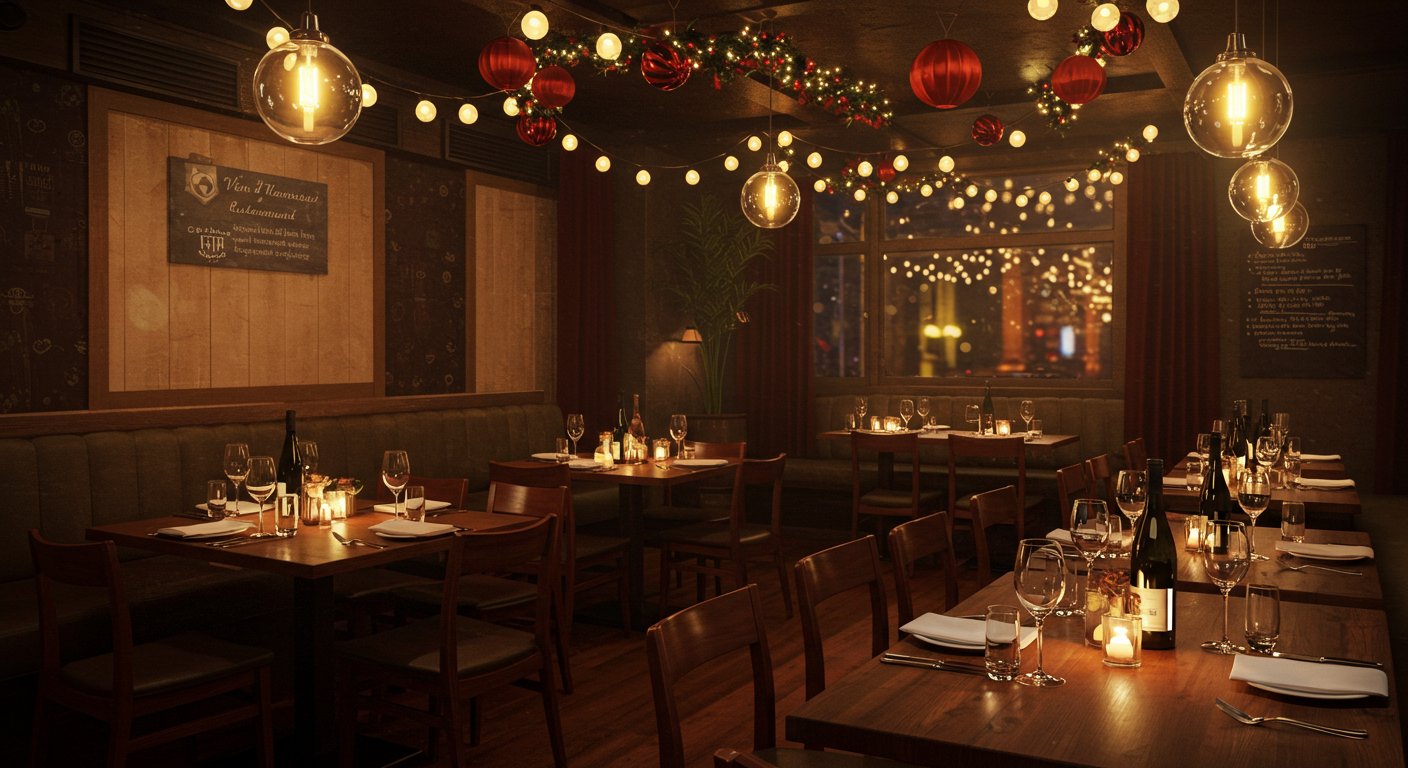
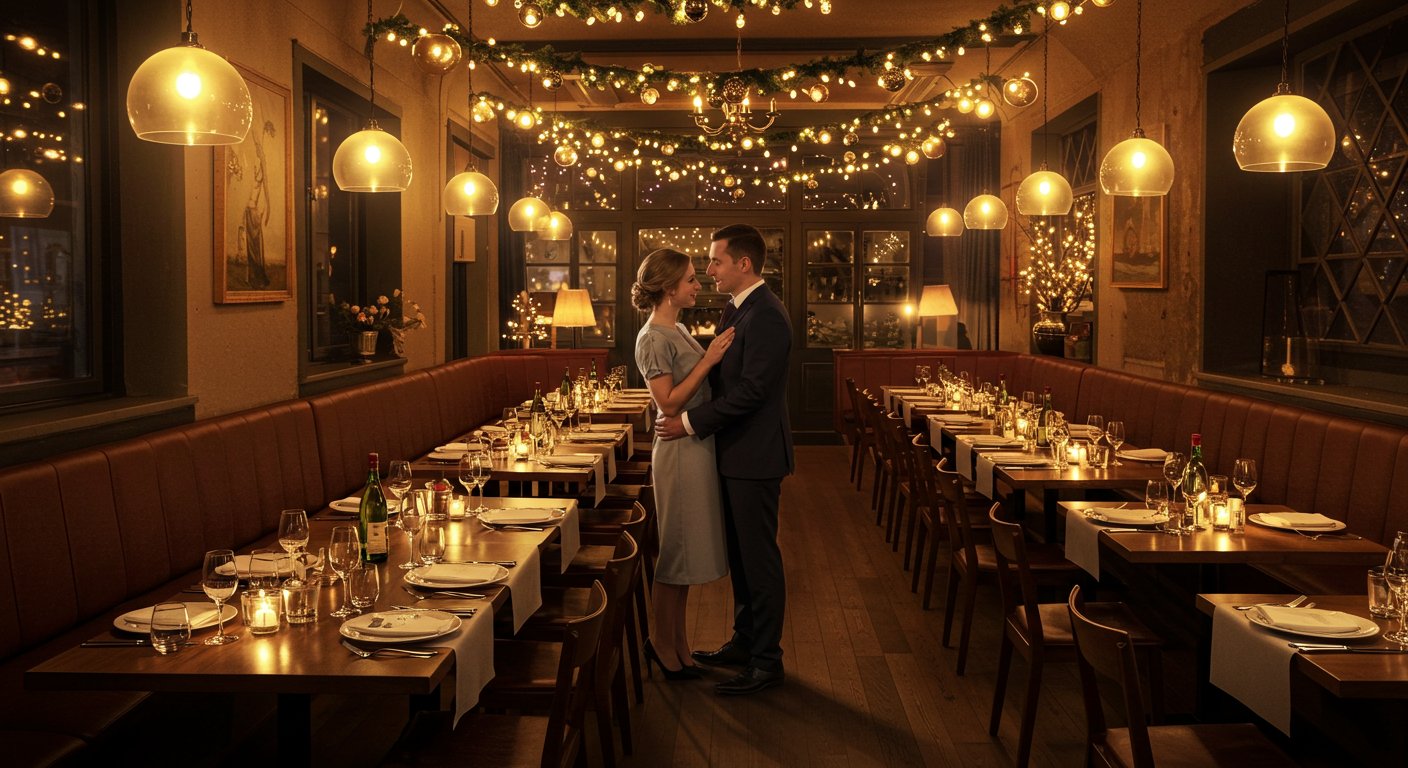
A couple walks through the door of your restaurant on a Saturday morning in February. They're not here for lunch. They're looking for a venue for their wedding drinks reception in June, with 80 guests. They want something "simple but high-quality," a controlled budget, and above all a quick answer. You have thirty seconds to win them over — or lose them to the caterer down the road. The drinks reception in a restaurant represents a significant revenue opportunity, particularly between May and September. Yet many independent restaurateurs miss out on it for lack of structured packages, clear pricing, or simply the commercial reflex to handle this type of enquiry. This article gives you everything you need to build profitable packages, present them effectively, and turn every enquiry into a confirmed booking.
Why the drinks reception is an underexploited profitability lever for restaurants
A seasonal but predictable market
Wedding and celebration season runs from May to September. That's a window of several months during which enquiries for drinks receptions, cocktail parties, and event buffets are concentrated. For an independent restaurateur, this means a stream of qualified prospects coming to you — provided you're visible and ready.
Unlike daily service where you need to attract customers day after day, the drinks reception works on advance booking. Couples, families, and businesses typically plan several months ahead. This gives you visibility over your schedule and the ability to organise your supplies without stress.
Significantly higher average spend
A drinks reception, even a modest one, involves an order volume per event far greater than a standard service. Between drinks, canapés, mise en place, and staffing, an event for 60 to 100 guests can generate in just a few hours the equivalent of a full evening service.
The maths is simple: if your average spend per cover at dinner is around £25, a drinks reception at £22 per person for 80 guests represents £1,760 in revenue in two hours. With margins on drinks often more comfortable than on food, the profitability is there.
A competitive advantage over caterers
You have a major asset compared to caterers: your venue. A restaurant with a terrace, a characterful dining room, or an attractive setting is a powerful selling point. The client doesn't need to hire a separate venue or coordinate multiple suppliers. You offer an integrated service: venue + food + service. This simplicity is a decisive argument for many couples and event organisers.
Designing your drinks reception package: the fundamentals
Assess your real capacity
Before building your offer, ask yourself the right questions:
- Standing capacity: this differs from your seated capacity. Allow roughly 1.5 m² per person for a comfortable cocktail reception. An 80 m² room can therefore accommodate around 50 standing guests.
- Outdoor space: a terrace or garden can double your capacity in summer. Always have a Plan B in case of rain.
- Compatibility with regular service: can you host a drinks reception in the afternoon without disrupting your evening mise en place? Define clear time slots.
- Available staff: a drinks reception for 80 guests requires at least 3 to 4 front-of-house staff for service, plus kitchen staff for canapé preparation.
The three package tiers that work
The key to an effective commercial offer is to provide choices without overwhelming the client. Three tiers are enough. They cover the majority of requests and make the decision easier.
Essential Package (entry level)
This package targets smaller budgets or shorter receptions (1 to 1.5 hours). It includes:
- A glass of crémant or champagne on arrival (1 glass per person)
- Fruit juices and soft drinks on a self-service basis
- 4 to 5 savoury canapés per person (puff pastries, simple verrines, toasts)
- 1 to 2 sweet bites per person (mignardises, mini tartlets)
Indicative price range: £16 to £22 per person.
Prestige Package (mid-range)
This is often the most popular package. It offers a good balance between perceived quality and budget:
- A glass of champagne on arrival
- Drinks bar (white wine, rosé, craft beer, soft drinks, fresh juices)
- 6 to 8 savoury canapés per person (refined verrines, mini skewers, tartare spoons, cromesquis)
- 3 to 4 sweet bites per person (macarons, mini éclairs, fresh fruit)
- Celebration cake or display dessert as an option
Indicative price range: £25 to £35 per person.
Grand Event Package (premium)
For clients who want to make a lasting impression. This package is closer to a full cocktail dinner:
- Champagne served continuously (allow 2 to 3 glasses per person)
- Full bar with signature cocktails (mojito, spritz, house cocktail)
- 10 to 12 savoury canapés per person (foie gras, seafood, hot canapés)
- 4 to 5 sweet bites (fine pâtisseries, chocolate fountain, dessert bar)
- Table decoration and floral styling
- Dedicated service staff
Indicative price range: £40 to £58 per person.
The importance of a minimum guest count
Set a minimum number of guests per package. Below a certain threshold, the event isn't profitable given the staff and logistics involved. A minimum of 30 guests is standard in the industry. State this clearly in your sales materials to avoid enquiries that don't match your positioning.
Building your pricing grid: a step-by-step method
Calculate your ingredient cost per item
For each element of your package, calculate the precise ingredient cost. Let's take a concrete example:
Mini salmon tartare in a verrine:
- Fresh salmon (30 g per verrine): £0.65
- Crème fraîche, shallot, chives: £0.09
- Disposable or reusable verrine (amortised): £0.13
- Total ingredient cost: £0.87
If you serve this verrine as part of a package at £30 per person with 7 savoury canapés, your ingredient budget per savoury item must remain consistent with your overall food cost target.
Aim for the right food cost ratio
For a drinks reception, aim for a food cost ratio (cost of ingredients and drinks divided by the selling price) of between 25% and 35%. This ratio is often more favourable than on your regular menu, because:
- Cocktail canapés use small quantities of premium ingredients that create a "luxury" effect at lower cost
- Drinks (champagne, wine) offer comfortable margins, especially if you negotiate effectively with your suppliers on volume
- Labour is shared across a large number of guests
Full cost breakdown example for the Prestige Package (£30/person, 60 guests):
| Item | Unit cost | Total (60 guests) |
|---|---|---|
| Champagne (1 glass) | £2.15 | £129 |
| Bar drinks (estimate) | £2.60 | £156 |
| 7 savoury canapés | £4.85 | £291 |
| 3 sweet bites | £1.55 | £93 |
| Total ingredient cost | £11.15 | £669 |
| Revenue | £30.00 | £1,800 |
| Food cost ratio | 37.2% |
In this example, the ratio is slightly above the target. You can adjust it by reworking the composition of items, optimising your champagne purchasing, or increasing the package price by a few pounds.
Factor in hidden costs
Don't underestimate the indirect costs associated with a drinks reception:
- Additional staff: agency workers, overtime. Budget £13 to £17 per hour fully loaded per extra staff member.
- Linen and decoration: tablecloths, napkins, decorative elements if included in the package.
- Cleaning: an event for 80 guests generates more clean-up work than a standard service.
- Wear and breakage: glassware, crockery. Allow 1 to 2% of revenue for breakages.
- Energy and consumables: air conditioning or terrace heating depending on the season.
Factor these costs into your price so you don't eat into your net margin.
Offer smart paid add-ons
Add-ons are an excellent way to increase the average spend while leaving the client in control of their budget. Here are some profitable options to offer:
- Unlimited champagne upgrade: +£7 to £10 per person
- Cocktail bar with bartender: +£4 to £7 per person (or a flat fee)
- Celebration cake or wedding cake: bespoke quote based on number of portions
- Live food station: oyster bar, live plancha grill, sushi station — flat fee of £250 to £500 depending on the service
- Extended hours: +£170 to £350 per additional hour
- Personalised decoration: flat fee depending on level of customisation
These add-ons transform your base package into a bespoke experience without adding complexity to your core operations.
Presenting and selling your drinks reception package
Create a dedicated sales document
Don't rely on explaining your packages verbally. Prepare a clear document — a PDF, a dedicated page on your website, or a printed brochure — that presents:
- Your three packages with full details of what's included
- Available add-ons
- Attractive photos of your spaces and past events
- Practical details (hours, minimum guest count, deposit, lead times)
- Your direct contact details with the name of your events coordinator
If you have a digital menu, you can create a dedicated events section that prospects can browse at any time. This also lets you track how many visitors view the page and adjust your offer accordingly.
The discovery meeting: your best conversion tool
When a prospect contacts you about a drinks reception, always offer an on-site meeting. This moment is decisive for several reasons:
- The client can visualise their event in your space
- You demonstrate your professionalism and attentiveness
- You can offer a tasting of a few canapés (minimal investment, maximum impact)
- You identify specific requirements (allergies, dietary needs, decoration theme)
Prepare a standardised meeting form so nothing is missed: event date, number of guests, indicative budget, specific constraints, preferred package, desired add-ons.
Handle quote requests with speed
Response time is a major conversion factor. A couple planning their wedding typically contacts 3 to 5 suppliers at the same time. The first to respond with a clear, professional quote gains a considerable advantage.
Set yourself a target: respond to every quote request within 24 hours, including weekends during peak season. To save time, prepare pre-filled quote templates for each package. You'll only need to customise the guest count, date, and add-ons.
The contract and booking conditions
Protect yourself and reassure the client with a clear contract that specifies:
- Deposit: 30% at the time of booking is a common standard. It secures your calendar and commits the client.
- Balance: payable 7 to 15 days before the event or on the day.
- Final guest count: to be confirmed 7 to 10 days before, with a tolerance of +/- 5%.
- Cancellation terms: non-refundable deposit, or partial refund depending on notice period (for example: 50% refund if cancelled more than 30 days before).
- Timings and duration: start time, end time, terms for extensions.
A clear contract avoids misunderstandings and disputes. It also reinforces your professional image. Don't hesitate to consult a legal adviser to draft a template suited to your situation.
Adapting your drinks reception package by event type
The wedding drinks reception
This is the most common request and the one where budgets are often the largest. Couples expect:
- A flawless service (it's the most important day of their lives)
- Flexibility on duration (a wedding drinks reception often lasts 2 to 3 hours)
- The ability to personalise (colours, theme, signature cocktail with the couple's names)
- A single point of contact who coordinates everything
For weddings, offer an "all-inclusive" flat rate rather than a per-person price alone. The couple wants a clear total price to fit the drinks reception into their overall wedding budget. Present it both ways: "Prestige Package for 80 guests: £2,800, i.e. £35 per person."
The corporate cocktail reception
Businesses host events year-round: product launches, seminars, end-of-year parties, leaving dos. The corporate cocktail reception in a restaurant has specific characteristics:
- Budget often set by an office manager or administrator (ask about it at first contact)
- Invoicing with VAT and the need for a detailed invoice
- Stricter timings (often end of the working day, 6pm–8pm)
- Less emotional personalisation, higher expectations for efficient service
It's also a gateway to recurring partnerships with local businesses, which can become a regular revenue stream.
Family celebrations: christenings, communions, birthdays
These events generally have tighter budgets than weddings, but they're frequent and often organised at shorter notice. Adapt your offer:
- Offer your Essential Package as a starting point, with à la carte add-ons
- Be flexible on the minimum guest count (sometimes 20 is enough for a christening)
- Suggest time slots outside your peak periods (Sunday lunchtime, for example)
- Offer a semi-private area rather than an entire room if the group is small
Optimising logistics and production
Standardise your canapé production
Kitchen efficiency relies on standardisation. For your drinks receptions, create a repertoire of 15 to 20 canapés that your team can execute flawlessly. Categorise them as follows:
Cold items (can be prepared the day before):
- Verrines (gazpacho, tartare, vegetable mousse)
- Topped toasts (rillettes, herbed cream cheese, tapenade)
- Cold skewers (melon and ham, tomato and mozzarella)
Hot items (to be finished at the time of service):
- Puff pastries (cheese, meat, vegetables)
- Mini quiches or mini pizzas
- Cromesquis, accras, vegetable fritters
Sweet items:
- Mignardises (financiers, canelés, madeleines)
- Sweet verrines (panna cotta, chocolate mousse)
- Fresh fruit skewers
Every item should be documented with a technical spec sheet: ingredients, ingredient cost, preparation time, number achievable per hour, and storage conditions.
Plan your staffing and timing
For a drinks reception of 80 guests with the Prestige Package, here's a typical timeline:
D-2:
- Order and receive fresh produce
- Prepare cold items that can be stored
D-1:
- Prepare verrines and toasts
- Set up the room (tables, linens, decoration)
- Check glassware and crockery
Event day:
- 3 hours before: finish hot items, plate cold platters
- 1 hour before: set up the bar, bring drinks to serving temperature
- 30 minutes before: team briefing (running order, service guidelines, allergens)
- During the event: continuous service, replenish platters, manage the bar
Staff required:
- 1 floor manager / coordinator
- 2 to 3 servers for tray service
- 1 person on the bar
- 1 to 2 people in the kitchen for hot items and replenishment
Manage quantities to avoid waste
Waste is the enemy of profitability at a drinks reception. A few practical rules:
- Drinks: allow 2 glasses of champagne, 2 glasses of wine, and 1 soft drink per person for a 2-hour reception. Adjust seasonally (more rosé and beer in summer).
- Savoury canapés: the number stated in your package is a maximum. Allow 5 to 10% extra, no more.
- Sweet items: these are often consumed less than the savoury ones. Towards the end of a reception, guests eat less. Plan accordingly.
- Ice: an often-overlooked item. Allow 200 to 300 g of ice per person for a full bar in summer.
If you receive a negative review linked to a poorly planned event — insufficient quantities, overwhelmed service — it can seriously damage your reputation. Check out our guide on how to handle bad online reviews and respond professionally.
Marketing and promoting your drinks reception offer
Make your offer visible online
Many restaurateurs offer drinks receptions but don't mention it anywhere on their website or social media. The result: prospects can't find them.
Here are the concrete steps to take:
- Create a dedicated page on your website with the title "Drinks Reception" or "Cocktail Reception" and full details of your packages
- Optimise for local SEO: include terms like "drinks reception restaurant [your town]," "wedding cocktail [your town]" on your page
- Add photos from past events (with clients' permission)
- Update your Google Business Profile by adding "drinks reception" and "private events" to your services
- Post seasonal content on your social media from January–February onwards to capture demand for the summer season
Leverage word of mouth
A successful drinks reception is your best prospecting tool. Every event is seen by 50, 80, or 100 people who are all potential clients for their own future events.
To capitalise on this effect:
- Place a few business cards or "events" flyers on the buffet tables
- Ask permission to take professional photos during the event
- Request an online review from the organisers a few days later
- Offer a referral programme: a client who recommends you for a drinks reception receives a discount on their next event or a voucher for a dinner
Build local partnerships
Wedding organisers don't always find you first. Build a network of referral partners:
- Wedding planners: offer them a commission or partner discount
- Local council offices: leave your brochures at the registry office, where couples come to file their marriage paperwork
- Wedding photographers and DJs: mutual recommendation exchanges
- Florists: cross-partnerships for "turnkey" packages
- Nearby reception venues: some venues don't have catering services and are looking for catering partners
Common mistakes to avoid
Underestimating preparation time
A drinks reception isn't "just a few toasts and some champagne." Preparing 500 canapés for 80 guests requires rigorous organisation. Allow sufficient time and don't schedule a drinks reception on the same day as a private evening event if your team is small.
Not formalising your offer
Responding "we can work something out" to every enquiry wastes time and money. Structured packages let you respond quickly, present options clearly, and avoid misunderstandings about what's included.
Ignoring dietary requirements
Nowadays, a drinks reception for 80 people will very likely include vegetarian guests, gluten-free requirements, tree nut allergies, or non-drinkers. Always plan for:
- 20 to 30% vegetarian items in each package
- Identified gluten-free alternatives
- An appealing range of non-alcoholic drinks (not just orange juice)
- A procedure for collecting allergy information in advance (via a form sent to the organisers)
Neglecting the post-event follow-up
The drinks reception is over, the guests have left. Your work isn't done:
- Send a thank-you message to the organisers within 48 hours
- Include any photos you took
- Ask for feedback so you can improve
- Offer a deal on a future event or a gift card they can give to friends and family
Operational checklist: launch your drinks reception offer in 10 steps
Here's a concrete action plan you can implement this week:
- Assess your capacity: measure your spaces, calculate standing capacity, identify available time slots
- Create your spec sheets: 15 to 20 canapés with ingredient cost, preparation time, and plating photo
- Build your three packages: Essential, Prestige, Grand Event with per-person pricing
- Calculate your profitability: verify each package meets a 25 to 35% food cost ratio
- Draft your standard contract: booking terms, deposit, cancellation policy, final guest count
- Create your sales material: PDF or web page with photos, packages, and terms
- Update your online presence: website, Google Business Profile, social media
- Train your team: brief your kitchen and front-of-house staff on cocktail service standards
- Contact your referral partners: wedding planners, local council offices, local photographers
- Plan your seasonal marketing: first post from January onwards for the May–September season
Conclusion: turn every event into a showcase for your restaurant
The drinks reception in a restaurant isn't a side service to handle "when the opportunity arises." It's a genuine growth driver that, when properly structured, generates significant revenue during peak season and builds your local reputation all year round.
The key to success comes down to three words: anticipate, structure, professionalise. Anticipate the season by marketing from the start of the year. Structure your packages to respond quickly and clearly to every enquiry. Professionalise your approach with contracts, spec sheets, and rigorous client follow-up.
Start with the simplest step: draft your three packages this week, calculate your costs, and publish your offer online. The next couple searching for a drinks reception venue in your area will land on your page — and you'll be ready to win them over.
Tools like ALaCarte.direct can help you showcase your event offerings through a professional digital menu, accessible at any time by your prospects. A well-presented page, reachable via a QR code or a shared link, often makes the difference against a competitor who relies solely on a phone conversation.
Don't let these opportunities slip away. Every successful drinks reception is a living advertisement in front of dozens of future clients.