ALaCarte.Direct
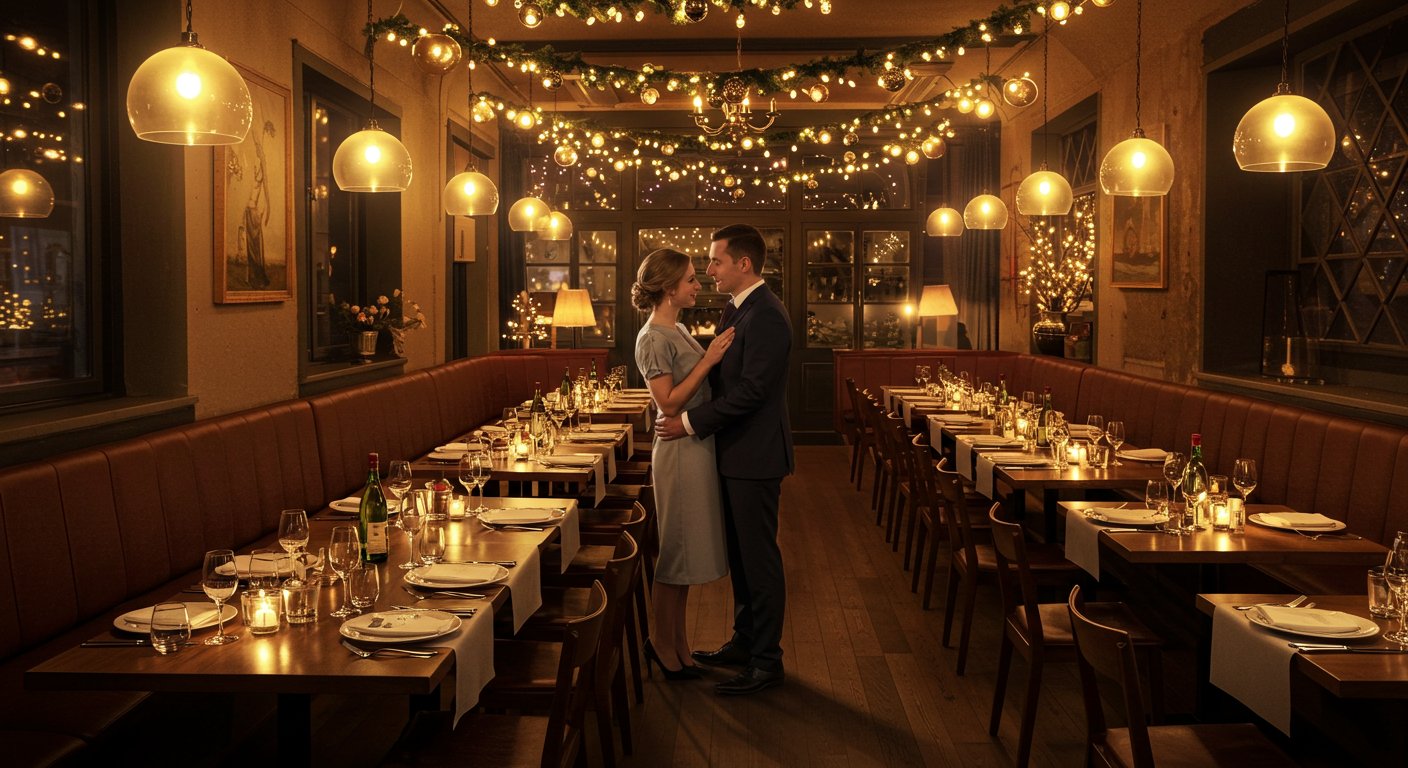
A couple contacts you to organise their wedding at your restaurant. You have three days to send a quote, and a dozen questions are racing through your mind: how many guests can you realistically serve in a banquet setup? What wedding menu should you offer without blowing your food costs? How do you handle the drinks reception, the DJ, the décor — all on a Saturday evening in June? Hosting a wedding at your restaurant represents a significant revenue opportunity — often the equivalent of several regular services in a single evening — but one logistical misstep can damage your reputation. Here is the complete checklist, step by step, to turn every wedding enquiry into a flawless event.
Why hosting weddings is a strategic opportunity for restaurants
The wedding market remains a thriving sector across the UK, the US and beyond. Every year, hundreds of thousands of couples choose to tie the knot, and a growing number prefer the intimacy of a restaurant to hiring an impersonal function hall. For an independent restaurateur, hosting a wedding means:
- A dramatically higher spend per head: between the drinks reception, the meal, beverages and sometimes a next-day brunch, the per-guest spend far exceeds that of a standard service.
- A showcase for your expertise: every guest is a potential customer discovering your cuisine in a festive, memorable setting.
- A way to fill quieter periods: weddings typically take place on Saturdays, or even Fridays, helping you make the most of time slots that might otherwise be underused.
- Powerful word-of-mouth: a successful wedding generates organic recommendations to dozens of future customers.
But with opportunity comes risk. A delayed service, a missed allergy or a poorly planned sound system, and your establishment becomes associated with a bad memory. That's why methodical preparation is essential.
Step one: qualify the enquiry and scope the project
The first contact with the couple
From the very first call or email, ask the right questions. This saves unnecessary back-and-forth and demonstrates your professionalism. Here is the information you must gather:
- Preferred date and any alternative dates
- Number of guests (low and high estimates)
- Type of service: drinks reception only, seated dinner, canapé reception, next-day brunch
- Overall budget the couple has in mind for the food and drink
- Dietary requirements: allergies, vegetarian, halal, gluten-free
- Preferred timings: start of the drinks reception, dinner time, finish time
- Additional needs: music, décor, nearby accommodation
Record everything in a dedicated project file. A simple spreadsheet works to begin with, but if you handle several weddings per season, a management tool like ALaCarte.direct lets you centralise communications, menus and quotes in one place.
Assess feasibility for your venue
Before committing, carry out an honest assessment:
- Seating capacity: can your dining room accommodate the number of guests in a banquet layout (round or long tables) while meeting fire safety regulations?
- Kitchen capacity: can your kitchen produce 80, 100 or 150 covers simultaneously, with a menu different from your usual offering?
- Staff availability: do you have enough front-of-house and kitchen staff for the day, or will you need to bring in agency or casual staff?
- Parking and accessibility: will guests be able to park easily? Is the venue accessible for people with reduced mobility?
If the answer to any of these is no, it's better to say so straight away rather than promise something you can't deliver. An honest refusal is far better than a failed wedding.
Building a wedding menu that impresses and holds up under pressure
The meal formats available
The format you choose shapes the entire operation. Here are the three main options:
The classic seated dinner — starter, main course, cheese, dessert — remains the most popular format for a restaurant wedding. It allows you to control the service timing and delivers a complete gastronomic experience. Allow between 2 and 2.5 hours of service.
The canapé reception appeals to couples who want a more relaxed atmosphere. You serve a succession of savoury and sweet bites, either standing or with some seating. It's more flexible on timing but more demanding logistically (number of pieces per person, tray rotation, guest flow management).
The mixed format — a standing drinks reception followed by a seated dinner — is by far the most common. This is the one you need to master first.
Designing the menu: the golden rules
A wedding menu isn't simply your regular menu stretched out. It's a bespoke creation that must meet specific constraints:
- Prioritise seasonal produce. A June wedding is the perfect opportunity to showcase asparagus, strawberries and fresh herbs. In September, make the most of figs, wild mushrooms and early-season game.
- Avoid à la minute cooking for large numbers. Pan-searing 120 portions of sea bass to order is a kitchen nightmare. Opt for slow-cooked dishes (braised lamb shank, roast poultry) or preparations that can be assembled in advance (vegetable millefeuille, pressed foie gras terrine).
- Offer a maximum of two to three choices per course. The couple decides in advance, perhaps with a meat or fish option for the main. The more choices you offer, the more you complicate service and increase your costs.
- Always include a vegetarian option. This is no longer a niche request. Plan a proper standalone dish, not a hastily improvised plate of vegetables.
- Offer a tasting session. Invite the couple to sample the menu a few weeks before the big day. It's a strong selling point and builds trust.
Setting prices methodically
Pricing a wedding menu must cover your real costs, not just the food cost. Factor into your calculation:
- Food cost: aim for a ratio between 25% and 32% of the selling price, as with your regular menu.
- Additional labour costs: casual staff, overtime, special mise en place.
- Opportunity cost: if you close your restaurant to the public that evening, factor in the estimated lost revenue.
- Ancillary expenses: table linen, special crockery, flowers, lighting, enhanced cleaning.
Don't hesitate to offer several tiers (for example, three packages at £55, £75 and £95 per person excluding drinks) to give the couple choice while protecting your margin.
For a deeper dive into pricing event packages, see our guide on drinks reception packages and pricing for restaurants, which details the calculation methods suited to this type of service.
Organising the drinks reception: the key moment you must get right
The drinks reception is often the guests' first encounter with your venue. It sets the tone for the entire evening.
What to plan for
- Drinks: champagne or sparkling wine, fruit juices, still and sparkling water, and possibly a signature cocktail. Allow roughly 2 to 3 glasses of fizz per person for a one-hour reception.
- Canapés: between 8 and 12 pieces per person (savoury and sweet mix) if the reception precedes a meal, up to 18–20 pieces if it replaces dinner.
- Space: ideally outdoors (terrace, garden) if the weather allows, with an indoor backup plan.
- Timing: 1 to 1.5 hours maximum. Any longer and guests grow restless — and arrive at the table already full.
For a complete methodology on drinks packages for restaurant wedding receptions, we've detailed the various options and their profitability.
Plan for the weather
If your drinks reception is planned outdoors, always have an indoor backup plan. Discuss this with the couple when the contract is signed. State in your terms and conditions that the decision to move indoors rests with you, in consultation with the couple, no later than 48 hours before the event. Nobody wants to improvise a plan B on the day in the pouring rain.
Day-of logistics: operational checklist
D-30: one month before the wedding
- [ ] Confirm the final guest count (with a 5% margin for last-minute changes)
- [ ] Sign off the final menu with the couple
- [ ] Collect the complete list of allergies and dietary restrictions
- [ ] Order speciality ingredients (rare products, unusual quantities)
- [ ] Confirm casual staff and schedule their hours
- [ ] Check the condition of crockery, glassware and table linen — top up if needed
- [ ] Arrange a meeting with the couple for final details (seating plan, décor, running order)
- [ ] Coordinate with external suppliers (DJ, photographer, florist)
D-7: one week before
- [ ] Receive and check speciality deliveries
- [ ] Prepare table décor elements (place cards, printed menus, centrepieces)
- [ ] Brief the entire team on the evening's running order
- [ ] Prepare the floor plan and display it in the kitchen and dining room
- [ ] Test sound and lighting equipment if you're providing it
- [ ] Check the generator is working (if the event is outdoors)
D-1: the day before
- [ ] Set up the room (tables, chairs, linen, décor)
- [ ] Prepare advance prep items (terrines, desserts, base sauces)
- [ ] Verify the cold chain for all perishables
- [ ] Set up the drinks reception bar (glasses, ice buckets, chilled bottles)
- [ ] Make a final check-in call with the couple
The day itself: a typical running order
- 2pm–4pm: team arrives, final mise en place, last-minute cooking
- 4pm–5pm: florist, DJ and photographer arrive and set up
- 5pm: final team briefing (roles, allergies to flag, service timing)
- 5:30pm–6pm: couple arrives for a walkthrough of the room
- 6:30pm: drinks reception begins
- 8pm: guests are seated
- 8pm–10:30pm: meal service
- 10:30pm: wedding cake or dessert, first dance
- 11pm onwards: bar service, entertainment, end of evening
This schedule is indicative. Adapt it to the couple's wishes and your operational constraints.
Managing your team: the human factor
How many staff do you need?
For a seated wedding dinner at your restaurant, the rule of thumb is:
- Front of house: 1 server for every 10–12 guests for a standard service, 1 for every 8 if you're aiming for a premium experience
- Kitchen: reinforce your usual brigade with at least 2–3 extra staff, depending on covers
- Bar: 1–2 dedicated staff during the drinks reception and throughout the evening
- Kitchen porter: never underestimate the wash-up. Plan for at least 1 dedicated person, 2 for events over 80 covers
Hiring and managing casual staff
If you're bringing in agency or casual staff, a few precautions apply:
- Have them work a trial service before the wedding, if possible.
- Prepare a written brief with the floor plan, the menu, service instructions and allergy information.
- Appoint a clearly identified head waiter or floor manager as their point of contact.
- Ensure their employment contracts are fully compliant. For the legal obligations around hiring, see our article on restaurant employment contracts: templates and obligations 2026.
Legal and contractual matters you must not overlook
The quote and the service contract
Never commit to a wedding without a written contract. This document should include at minimum:
- Services included: menu details, whether drinks are included, start and finish times
- Total price and payment terms (deposit on booking, balance due before the day)
- Cancellation terms: a sliding scale (for example: 30% of the total if cancelled more than 3 months out, 50% between 3 months and 1 month, 100% under 1 month)
- Guaranteed guest count and the deadline for confirming it
- Respective responsibilities: who provides the décor, the sound equipment, any fireworks?
- Force majeure clause
- Finish times and any surcharges for overrunning
Licensing and regulations
Make sure you're fully compliant on the following:
- Alcohol licence: ensure your premises licence covers the sale of all beverages you plan to serve, including spirits
- Fire safety regulations: maximum capacity displayed, fire exits clear, extinguishers inspected
- Noise levels: if the evening runs late and you're in a residential area, inform the neighbours and comply with local noise regulations
- Food safety (HACCP): maintaining the cold chain and meeting hygiene standards is obviously non-negotiable, especially when serving a large number of guests
Guest data protection
If you collect guests' personal details (for a digital seating plan, allergy records, or post-event marketing), you must comply with data protection regulations such as GDPR. See our guide on data protection compliance for restaurant customer data to make sure you're covered.
Décor and ambiance: your role and its limits
As a restaurateur, you're not a wedding decorator. But you are the guardian of the atmosphere in your venue. Clarify from the outset:
What you take care of
- Table linen and napery
- Table and chair layout
- Standard room lighting
- Cleaning before and after the event
What falls to the couple or their suppliers
- Centrepieces and floral arrangements
- Signage (seating plan, place cards)
- Sound and mood lighting equipment
- Photo booth or any other entertainment
Schedule an installation window for external suppliers (typically the day before or the morning of the event) and designate a team member to welcome them.
A tip: build a list of trusted local suppliers (florist, DJ, photographer, wedding planner) that you can recommend to couples. It's a valued service that strengthens your positioning as a go-to wedding venue.
After the wedding: follow-up and feedback
The next day
Many couples organise a brunch the day after the wedding. If you have the capacity to offer this, it's an easy-to-deliver add-on that's highly profitable. A brunch for 40 to 60 guests with a simple menu (pastries, eggs, salads, hot drinks) extends the experience without requiring a full brigade.
Post-event follow-up
In the days following the wedding:
- Send a personalised thank-you message to the couple
- Ask them for honest feedback on the event
- Invite them to leave an online review (Google, TripAdvisor)
- With their permission, use photos from the wedding in your marketing (website, social media)
If you receive negative feedback, take it seriously and address it methodically. Our article on how to handle negative online reviews gives you the tools to respond professionally.
Build a wedding portfolio
Over time, put together a reference file with:
- Professional photos of your table settings and dishes
- Testimonials from happy couples
- Your various packages and price ranges
This portfolio will become your best sales tool for converting future enquiries.
The most common mistakes to avoid when hosting a restaurant wedding
After several wedding seasons, experienced restaurateurs always identify the same pitfalls:
- Underestimating service time. A wedding is not a regular service on fast-forward. Build generous buffers into your schedule.
- Neglecting communication with the couple. Couples are stressed. Reply promptly to their messages, even if it's just to say "I'll get back to you tomorrow with a full answer."
- Accepting too many guests. If your comfortable maximum is 80 guests, don't say yes to 100 hoping "it'll be fine."
- Forgetting the weather backup plan. The weather is unpredictable, even in summer. Always have a fallback option.
- Not locking down finish times. A wedding that overruns your schedule by 2 hours means an exhausted team and unbilled extra costs. Write the times into the contract and set a rate for overtime.
- Ignoring casual staff in favour of regulars. Your casual staff don't know your venue. Train them, supervise them — don't leave them to fend for themselves.
- Skipping the debrief. After every wedding, gather your team for a hot debrief. What went well? What needs improving? This discipline will make every subsequent wedding a better event.
Creating your wedding offering: structure and promotion
Formalise your packages
Don't reinvent the wheel for every enquiry. Prepare two to three standardised packages that you then tailor on a case-by-case basis:
- Essentials Package: drinks reception + 3-course seated dinner + table wine
- Prestige Package: premium drinks reception + 4-course dinner + wine pairing + wedding cake
- Bespoke Package: fully customised menu designed with the chef, tasting session included, supplier coordination
Make your offering visible
Create a dedicated "Weddings & Receptions" page on your website. Include:
- Your packages with indicative price ranges
- Quality photos from previous receptions
- A specific contact form with key questions (date, number of guests, budget)
- Client testimonials
Also consider listing your restaurant on local wedding directories and specialist platforms. Word of mouth is powerful in the wedding industry, but a well-structured online presence will bring you regular enquiries.
If you also offer group activities at your restaurant, you can cross-promote: companies that book a culinary team building event with you discover your wedding offering too, and vice versa.
Conclusion: make weddings a pillar of your business
Hosting weddings at your restaurant demands rigour, forward planning and a keen sense of service. But the rewards far outweigh the investment: concentrated revenue, greater visibility, loyalty and organic referrals.
Here are three actions to take this week:
-
Formalise your wedding offering by creating two to three clear packages with detailed pricing. Start by mapping out your real costs for events of 60, 80 and 100 covers.
-
Prepare your operational checklist using the D-30 / D-7 / D-1 / Day-of framework from this article, adapted to your venue. Print it out, display it in the kitchen, and use it every single time.
-
Make your offering visible by creating a dedicated page on your website and reaching out to wedding planners in your area. Wedding season is planned months in advance: couples getting married in 2027 are already searching.
Restaurant weddings are a demanding but rewarding market. Every successful reception builds your reputation and opens the door to the next. The key is preparation — and you now have all the tools to make it happen.